

Spring Renewal for Caregivers: Finding Small Moments of Restoration in the Hospice Journey
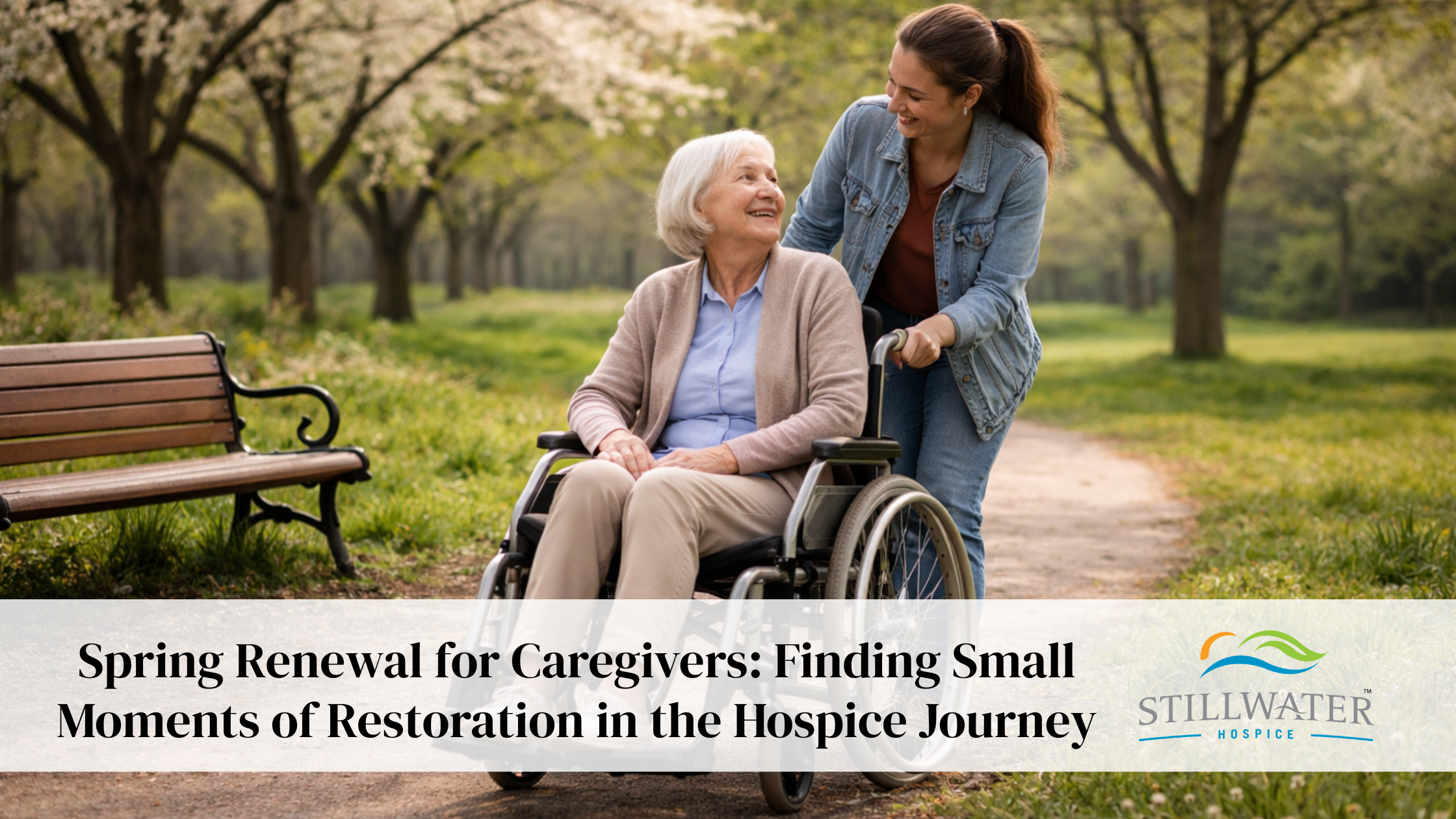
Caregiving is often described as an act of love — and it is. But it is also demanding, emotional, and at times exhausting. When someone you love is facing serious illness, your attention naturally shifts toward their comfort, their needs, and their care. In the process, caregivers often place their own well-being at the very bottom of the list.
Spring offers a powerful reminder that renewal is part of every cycle of life. Just as the natural world slowly begins to wake after winter, caregivers also need moments of restoration to continue showing up with compassion and strength.
In hospice care, we often see how much caregivers carry. They coordinate appointments, provide emotional support, help with daily care, and navigate difficult conversations. Many do this while also managing jobs, families, and their own responsibilities.
Because of this, caregiver renewal rarely looks like a long vacation or a dramatic life change. More often, it comes through small moments that allow the body and mind to reset.
Why Caregivers Need Renewal
Caregiving can place sustained stress on both emotional and physical health. Studies consistently show that family caregivers experience higher levels of stress, fatigue, sleep disruption, and emotional strain.
These outcomes do not mean caregivers are doing something wrong. It simply reflects the depth of responsibility they carry.
Common challenges caregivers experience include:
• chronic fatigue
• difficulty sleeping
• emotional overwhelm
• balancing work and family responsibilities
• feelings of isolation
• decision fatigue
Renewal helps caregivers maintain the energy and resilience needed to continue providing meaningful support to their loved ones.
What Renewal Can Look Like During Caregiving
For many caregivers, renewal happens in small, simple ways. These moments may seem minor, but they can make a meaningful difference over time.
Examples of caregiver renewal include:
• stepping outside for fresh air and sunlight
• taking a short walk or quiet moment away from the house
• accepting help when someone offers it
• connecting with a friend or family member
• listening to music or practicing a calming activity
• allowing yourself time to rest without guilt
Even ten minutes of quiet or a brief change of scenery can help reset the nervous system and restore emotional balance.
Hospice Support Extends to Caregivers
One of the core principles of hospice care is that we care for the whole family — not just the patient. Caregivers are an essential part of the care team, and their well-being matters.
Hospice teams often provide caregivers with guidance, emotional support, and practical resources to help lighten the load.
