
Honoring Service Through Care: Specialized Hospice Support for Veterans
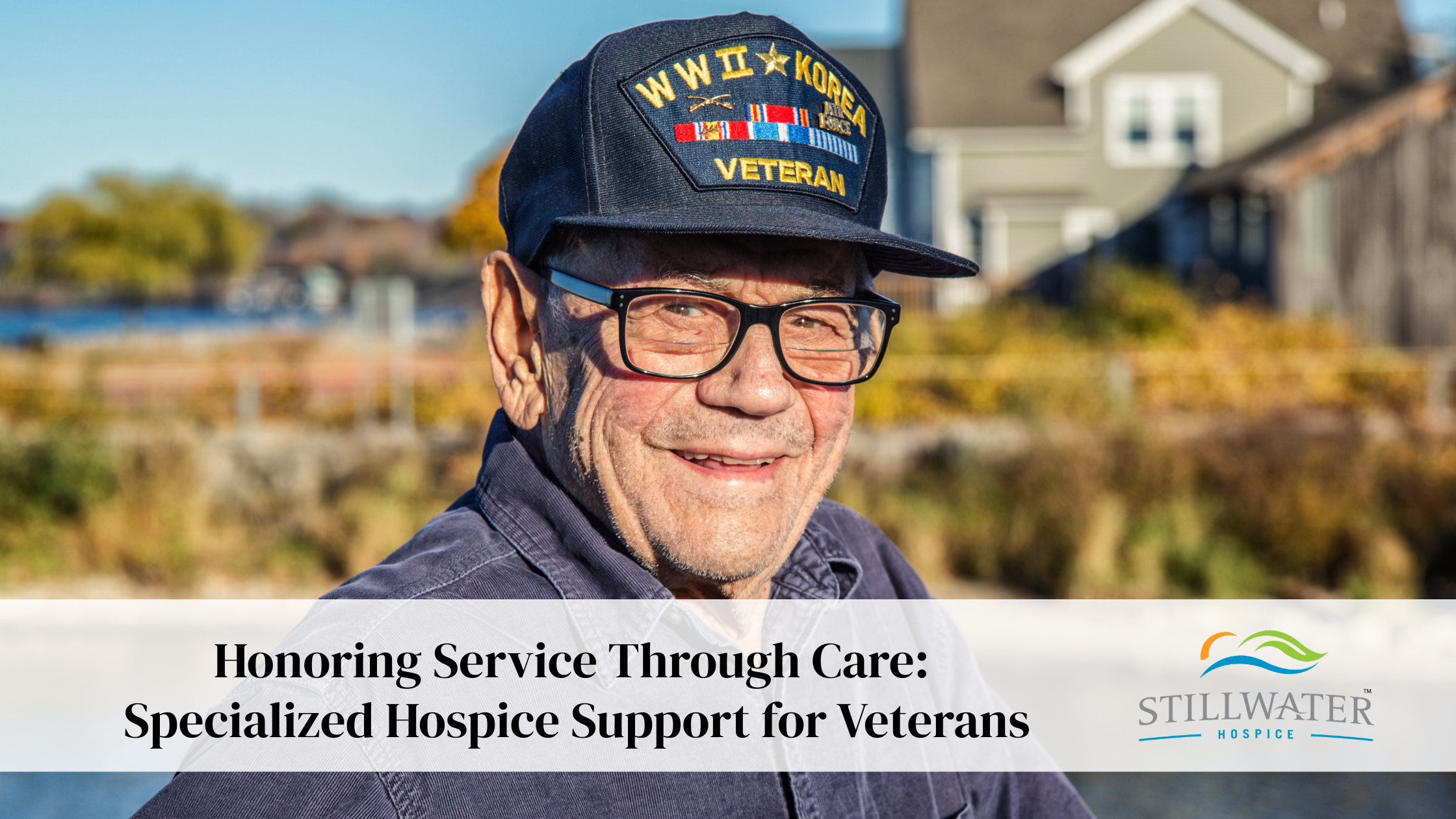
As we approach Memorial Day, we are reminded to pause and reflect.
This time of year brings a deeper awareness of the men and women who served our country—and the lives, sacrifices, and stories behind that service.
For many families, Memorial Day is not only a national moment of remembrance, but a personal one. A time to honor a loved one who served, and to reflect on the journey they carried long after their time in uniform.
At Stillwater Hospice, caring for veterans is more than a service. It is a responsibility rooted in respect, understanding, and dignity.
Understanding the Unique Needs of Veterans
Veterans often carry experiences that shape how they approach end-of-life care.
Military service can include exposure to trauma, loss, and high-stress environments that may resurface later in life—especially during times of physical decline or transition.
Some veterans may:
Experience anxiety, depression, or PTSD
Have difficulty trusting unfamiliar caregivers
Prefer structure, routine, or clear communication
Carry a strong sense of independence or duty
Recognizing these needs allows hospice teams to provide care that feels safe, familiar, and respectful of each individual’s experience.
Care That Honors Their Story
Every veteran has a story—and that story deserves to be acknowledged.
Specialized hospice care includes taking the time to understand not just medical needs, but personal history. This may include:
Conversations about military service
Creating space for reflection and legacy
Supporting emotional and spiritual needs connected to service
For many veterans, being seen and understood in this way brings a sense of peace that extends beyond physical care.
Partnerships and Veteran-Specific Support
Hospice care for veterans often includes coordination with VA benefits and services, helping families navigate available resources.
Stillwater Hospice works to ensure veterans receive the care and support they are entitled to, which may include:
Assistance with VA benefits and eligibility
Access to additional support services
Coordination with veteran organizations when appropriate
This added layer of support helps ease the burden on families during an already difficult time.
Recognition and Honor at End of Life
Honoring a veteran’s service can be a meaningful part of hospice care.
Many hospice programs, including Stillwater, offer opportunities to formally recognize veterans through pinning ceremonies or moments of acknowledgment. These small but powerful gestures provide:
A sense of closure and recognition
An opportunity for families to participate in honoring their loved one
A reminder that their service is seen and valued
These moments often become lasting memories for families.
Support for Families of Veterans
The impact of military service extends beyond the individual.
Families often carry their own experiences—supporting loved ones through deployments, transitions, and the long-term effects of service.
Hospice care includes support for families as well, offering:
Guidance through the end-of-life process
Emotional and bereavement support
Space to share, reflect, and honor their loved one’s life
This support continues beyond the passing, ensuring families are not left to navigate grief alone.
A Commitment That Continues
Caring for veterans at the end of life is an extension of the respect they have earned.
It is about meeting them where they are, understanding what they’ve carried, and ensuring they are supported with dignity, compassion, and honor.
At Stillwater Hospice, this commitment is not limited to a single day or holiday.
It is carried into every visit, every conversation, and every moment of care.
Because honoring service should never be an afterthought.
It should be part of how we care.
